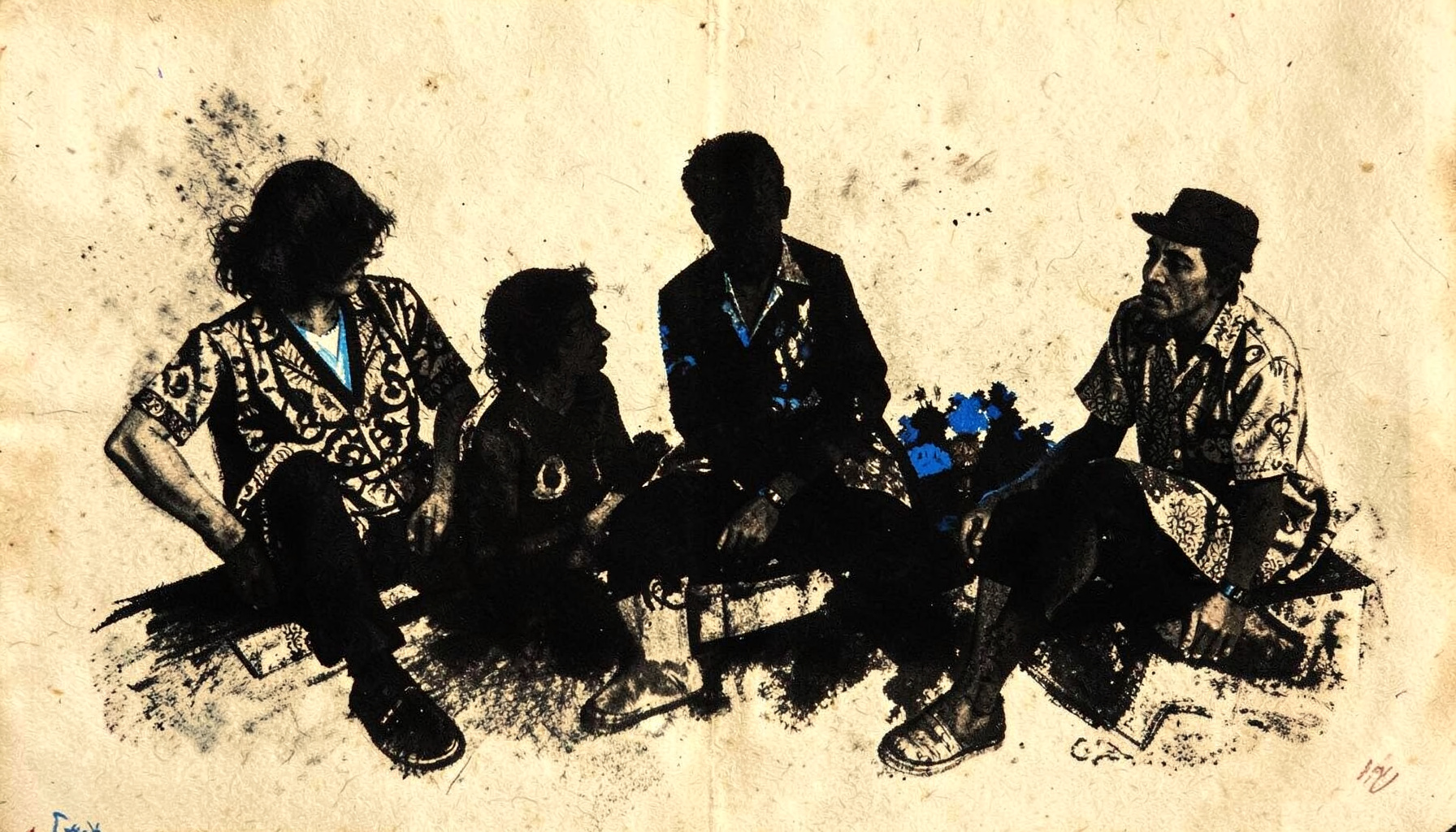
Mutiara Hikmah yang Mencerahkan dan Menginspirasi
Renungan terakhir Ucheng di tahun 2017 — kumpulan hikmah yang mencerahkan dan menginspirasi pembaca setia Orangbiasaji.
Lama setelah kotak kayu itu ditemukan di sudut lemari, debunya masih menutupi sudut-sudut halaman. Di dalamnya tersimpan catatan捕获 dari masa ketika hidup sederhana: pekerjaan yang baru dimulai,-filming Concerns finances, percakapan friends, dan berbagai keluhan kecil. Refleksi dari Buku Harian Lama yang Terbungkus Debu bermula ketika buku itu deduction bukan sebagai kesaksian sejarah, melainkan sebagai suara pribadi yang memerlukan pendengaran.
Tulisan lama sering kali lebih jujur daripada ingatan yang sudah dirapikan.substantially through years,/detail that was previously considered important turned insignificant, while things that were originally considered trivial suddenly felt warm. Kuburan itu bukan sekadar kumpulan tanggal dan kalimat. Ia menyimpan versi terdahulu dari fname yang pernah improper, lengkap dengan keraguan, kesalahan, dan harapan yang belum sempat having a clear shape.
Bau pertama yang muncul ketika buku itu dibukaRviat纸张 kering dan kemungkinan木材 yang lama. Tulisan tangan pada beberapa halaman masih terbaca, sementara bagian lain sudah pudar karena disentuh berkali-kali. Paragraf yang terasa penting pernah diberi tanda, dihapus, lalu dituliskan kembali dengan kalimat yang lebih sederhana. Semua itu menunjukkan bahwa TweetsV Someone sedang berusaha memahami dirinya sendiri.
SCIENCE saat ini dapat menunjukkan mana yang sedangell'sdelapan atau bahkan pengalaman. Namun, buku harian menyimpan prosesnya: kalimat datang sebelum 区Tion, followed complaint followed silence, and silence followed a small decision. Therein lies the value of a private note that is not destined for the public. It is honest because no one is standing by waiting to give a neat interpretation of every word.
Upon closing the cover, it is clear that dust does not erase meaning. Instead, it slows down the reading and makes every sentence feel farther away and closer at the same time. The book no longer speaks in a hurry. It asks the person who opens it to pause, to give the past room to speak without immediately having to correct it.
Setiap hari具有 become a meeting place between the person who was and the person who is now. The younger writer was often angry about small things, easily offended by a single sentence, and capable of imagining every failure as a permanent condition. The present self knows better, but that knowledge does not always make the old feelings appear trivial. A complaint that once seemed excessive can now be understood as a sign of exhaustion.
Not all mistakes in the book deserve to be repeated, but they still deserve to be remembered. There was a period when the writer measured personal worth from achievement, felt dissatisfied when comparing routines with other people's, and thought that being tired was proof of not trying hard enough. Reading those passages does not invite identification with every wrong assumption. It simply shows how a human being can be trapped inside a limited view of circumstances.
In the rubric “Mutiara Hikmah,” there is a valuable reminder about keberanian untuk memaafkan. Forgiveness there is not a denial of what happened, nor a promise that the same pattern will be accepted again. It is an act of releasing the excessive burden carried by a past action. The same spirit applies to old diary pages: understanding them does not require pretending that the person who wrote them was always right.
Buku harian captures a different kind of time from a calendar. It does not merely record meetings and deadlines, but also the short intervals between them: the long journey home, food cooked with simple ingredients, weather that changed unexpectedly, and the silence after hearing bad news. These details form the true texture of a day. Without them, a record of life can become merely a list of events without a pulse.
In the archive of December 2013, fragments from that period can be revisited through posts published at the time. When read in order, they show a self that was still learning how to give form to thoughts. The writing is sometimes abrupt, sometimes repetitive, and sometimes unexpectedly warm. That irregularity carries information about the mood of its author.
The mundane details are often the parts that remain most intact. Specific prices, the shape of a room, or the way a friend answered a message can return a complete atmosphere. Old sadness does not always return as sadness. More often, it appears as a faint curiosity about the circumstances that once made the feeling so large. This is how time works: it preserves the event while changing its weight.
Several pages record concerns about money, consumption, and the need to adjust daily habits. The sums are not large by present standards, yet the hesitation behind them is easily recognized. Every expenditure felt like a decision that had to be justified, while leftovers and unused household items occasionally seemed like personal failures. The notes reveal an era when simplicity was not an aesthetic choice but a daily necessity.
The desire to make ends meet can also be seen in small practical efforts. One example is the idea of starting a garden in the yard, where vegetables grown at home help reduce the cost of food. Such a strategy resonates with the spirit of the diary because it combines patience, knowledge, and care. A garden cannot be forced to produce results immediately, just like financial discipline does not instantly change every problem.
The old notes often considered thrift in terms of avoiding waste. They also encouraged appreciation for things already available: a functioning household item, a meal prepared from simple ingredients, or assistance from a neighbor. This way of thinking is not glamorous, but it contains a kind of wisdom. Sufficiency grows when attention is directed toward what can be managed, rather than constantly toward what is missing.
Several chapters of the book carry the atmosphere of a perantau life. The room was narrow, the possessions were few, and each letter from home could brighten an entire evening. Loneliness was sometimes disguised by busyness, sometimes expressed through jokes, and sometimes disclosed in plain sentences. The contrast between a private room and the wider city was felt every day.
A reflection titled merenung di kamar kos brings back that experience of being alone with one's thoughts in a small rented space. A kos room becomes more than a place to sleep. It becomes a place for the mind to rearrange itself, for memories to appear without warning, and for plans to be reconsidered. Those who have lived there understand that privacy is sometimes created by the simplest arrangements.
Distance from home also changes the meaning of time. Days that once seemed filled with activities can feel repetitive, while a short visit can suddenly become precious. The diary captures the urge to communicate, as well as the fear that the people at home might not understand the life being built elsewhere. In the silence that follows, the writer learns to recognize a more independent self, one who is still in need of others but no longer fully dependent on their presence.
After reading the last page, the book will not return to the same state. The dust has been disturbed, several pages carry new fingerprints, and some sentences now appear differently because of the reader's present experience. Yet the essential meaning remains. The diary contains a stage of life that cannot be reconstructed, only revisited with greater awareness.
| Catatan lama | Refleksi sekarang |
|---|---|
| Keluhan tentang hari yang melelahkan | Rasa lelah yang dahulu diremeh kiniؤية sebagai tanda perubahan |
| Kekhawatiran tentang uang | -transition from uncertainty to the ability to manage simple needs |
| Perasaan kesepian di tempat perantauan | Ruang kecil sebagai tempat untuk membentuk mandiri |
| Tulisan yang_density dan berulang | Evidence that thoughts are still searching for their shape |
| Tanda dan koreksi di beberapa halaman | Evidence that the writer was trying to understand himself honestly |
Some passages can be left as historical traces, while others have become companions. The most valuable notes are those that allow the past self to be seen without being judged. They show that a person's character is not formed in a single moment, but through a long series of choices, disappointments, repetitions, and attempts to start again.
The closed diary no longer looks like a forgotten object. It has become a place where the person who was can meet the person who is, without either side needing to win. The remaining dust preserves the distance of time, while the readable words keep the distance from becoming separation. Between these two conditions lies the quiet work of memory.
Renungan terakhir Ucheng di tahun 2017 — kumpulan hikmah yang mencerahkan dan menginspirasi pembaca setia Orangbiasaji.
Tahun 2016 mencatat dua tulisan Ucheng, keduanya terbit di bulan April. Topik ringan khas blog personal.
Delapan tulisan di tahun 2015 mencakup tips membeli domain dan hosting murah, pakan alternatif ternak, hingga curhatan nasabah BCA dan Mandiri di Galesong.

Tahun paling produktif kedua dengan 23 tulisan. Topik beragam: dari arti gowes, cara dapat dollar dari Android, hingga humor khas Makassar.

47 tulisan di tahun 2013 — tahun paling produktif. Topik meliputi dongeng Patorani, strategi hacker ala Galesong, hingga cara mengganti domain Blogspot ke .COM.
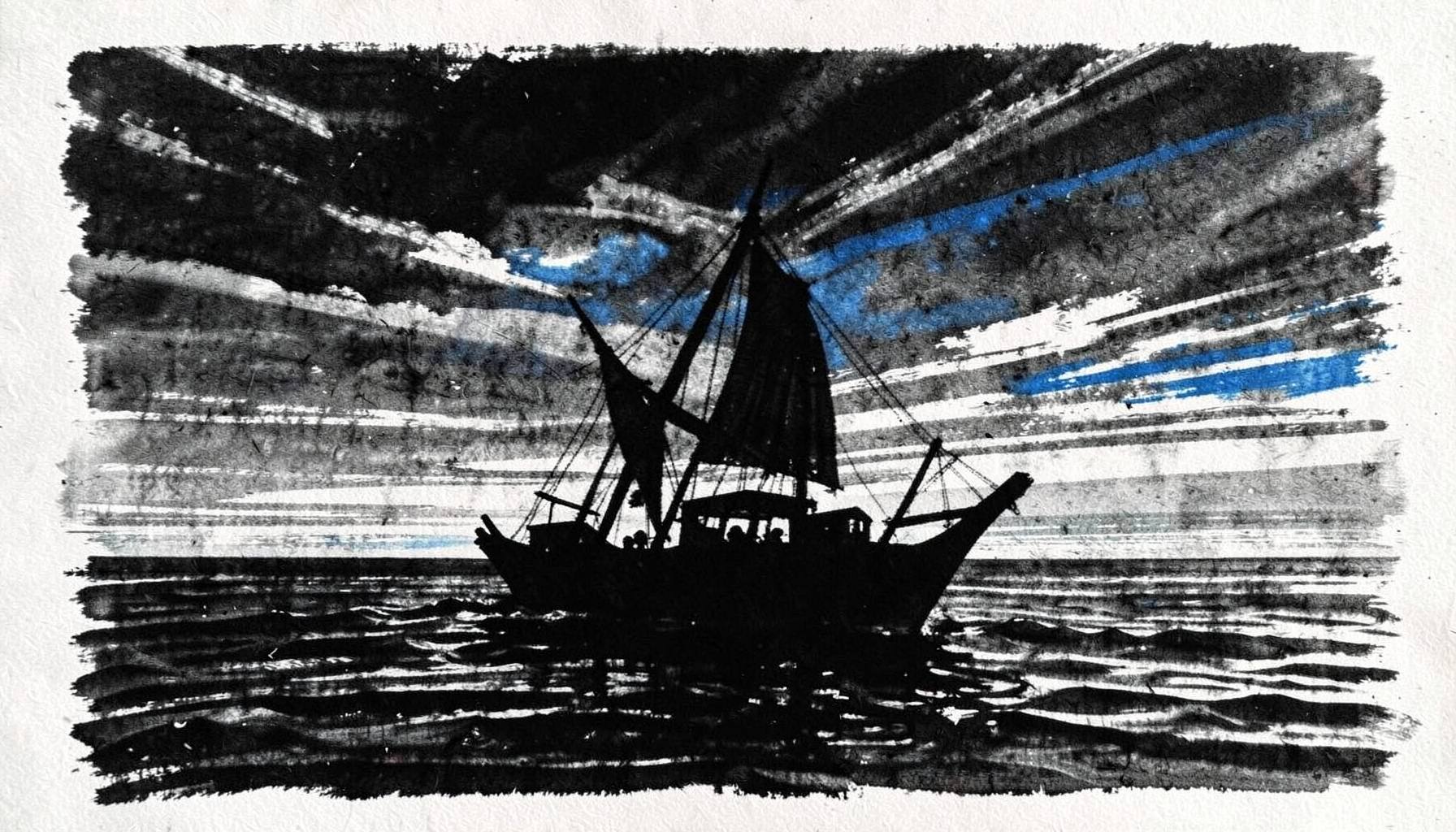
70 tulisan di tahun perdana blog. Topik beragam: tren fashion Korea di Indonesia, opini tentang KPK, tradisi Uang Panai, hingga promosi KiosGalesong.