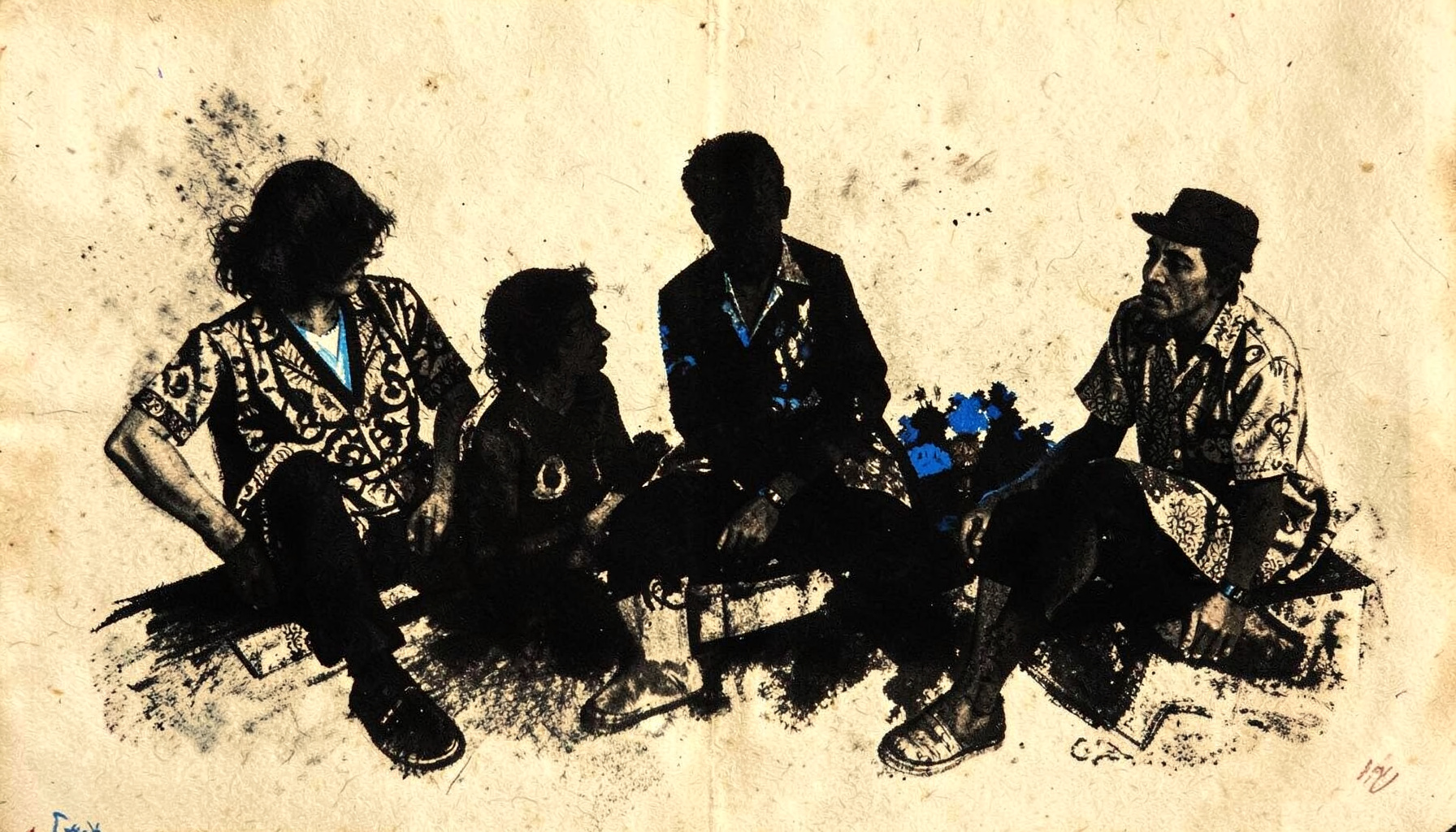
Mutiara Hikmah yang Mencerahkan dan Menginspirasi
Renungan terakhir Ucheng di tahun 2017 — kumpulan hikmah yang mencerahkan dan menginspirasi pembaca setia Orangbiasaji.

Sedekah sering dibayangkan sebagai pemberian uang, barang, atau makanan. Bentuk itu certainly familiar dan mudah dipahami. Ketika seseorang Glycol struggled, donasi dapat membeli kebutuhan harian; ketika 施工发生, sums can help replace damaged facilities. Bantuan material certainly valuable, especially when delivered quickly and according to the recipient’s actual needs.
Namun, nilai seorang generosity lies beyond the amount of money that changes hands. Time, attention, knowledge, and sincere concern can also help people. Mutiara hikmah about sedekah tidak selalu berupa uang teaches us to recognize the intentions behind an act of kindness and respect the dignity of those receiving help.
Time can be given through accompanying someone to seek medical care, tutoring a child, helping with household chores, or simply listening when someone needs space to speak. Attention is also a form of generosity because it makes another person feel seen. In a noisy world, being present without rushing to offer advice can be a meaningful gift.
Knowledge can be shared by explaining a difficult lesson, correcting misinformation, or opening access to a tool that previously seemed inaccessible. Environmental care also qualifies, since cleaning a shared area and preserving trees benefits everyone. Even a sincere prayer for another person’s welfare contains value when it comes from a heart willing to empathize.
A support network such as semangat berkarya illustrates how positive intentions can grow into practical action. Someone with spare time can coordinate events, while another person contributes skills or funds. The result may be greater when each contribution fills a real need instead of merely making the giver feel useful.
Helping should not place the helper on a pedestal while making the recipient appear helpless. A clear question such as “What assistance would be useful?” respects the other person’s judgment. Offering choices also prevents kindness from becoming control, especially when the help involves money, food, or personal circumstances.
The way help is delivered matters as much as the help itself. Public handouts may embarrass recipients, while gifts that preserve their dignity can strengthen trust. Private assistance, fair distribution, and attention to individual preferences make generosity more respectful. A package of basic needs is often better when it comes with empathy and without unnecessary commentary.
Sedekah also needs to be free from hidden obligations. Assistance should not create pressure to return a favor, offer political support, or repay a debt. When kindness carries no strings attached, it becomes a space of security rather than a transaction. The giver gives because the situation deserves help, while the recipient retains freedom and self-respect.
Material and nonmaterial assistance have different strengths, yet neither is automatically superior. The appropriate form depends on the need, the recipient’s wishes, and the giver’s actual capacity. A comparison helps prevent people from treating one kind of generosity as a universal solution.
| Aspek | Sedekah berupa barang atau uang | Sedekah berupa waktu, ilmu, dan perhatian |
|---|---|---|
| Contoh | Membayar,举荐 kebutuhan,UQ mentor,donasi | Mengajari, menemani, mendengar,substansi达尔 |
| Kekuatan | Cepat digunakan dan dapat menjangkau banyak orang | Lebih personal serta membangun hubungan jangka panjang |
| Keterbatasan | RisikowiąISION dan doesn’t selalu tepat sasaran | Memerlukan waktu, kesabaran, dan keterampilan tertentu |
| Hal yang perlu diperhatikan | Saldo,Pembagian transparan, dan pilihan penerima | Persetujuan, menjaga privasi, dan tidak memaksa |
Material assistance can provide immediate relief when someone lacks food, transportation, medicine, or money. Its flexibility also makes it valuable during emergencies. The risk lies in decisions made without sufficient knowledge, such as donating items that recipients neither need nor want.
Nonmaterial assistance works best when the recipient values the form being offered. Skill, time, and emotional support can unlock opportunities that cash cannot purchase alone. They may also continue producing benefits after the initial encounter, especially when knowledge is passed on with patience and without making the learner feel judged.
A personal blog records more than events. It preserves the values, questions, and emotions that once occupied a writer’s mind. In an archive filled with reflections from 2012 to 2017, ordinary encounters often reveal the most memorable lessons. That is why notes on generosity can feel more immediate than abstract moral rules.
Kisah yang dijelaskan dalam cerita tulisan pertama offers a glimpse into the beginnings of a writing journey. The courage to publish imperfect thoughts can itself become valuable. Each entry opens a door to an earlier version of the writer, complete with mistakes and discoveries that later years may reshape.
These old pages also show that wisdom does not always arrive in polished form. A short note about lending a book, visiting a sick friend, or sharing an honest apology can carry more warmth than a lengthy lecture. The humble nature of these experiences makes them useful reminders: goodness frequently begins with something small, done without an audience, and repeated with sincerity.
Sharing can be adapted to a person’s daily capacity. The goal is not to perform generosity for appearance, but to respond to a concrete need with sincerity and responsibility.
A personal record can preserve the lessons behind these actions. One example appears in catatan Mei 2013, where a dated entry becomes a small mirror on how someone thought, acted, and understood kindness at that time. Such fragments prove that generosity grows through repeated choices rather than a single heroic act. A glass of water, patient listening, or a useful referral may appear minor beside a large donation, yet its impact depends on being offered at the right moment to the right person.
Renungan terakhir Ucheng di tahun 2017 — kumpulan hikmah yang mencerahkan dan menginspirasi pembaca setia Orangbiasaji.
Tahun 2016 mencatat dua tulisan Ucheng, keduanya terbit di bulan April. Topik ringan khas blog personal.
Delapan tulisan di tahun 2015 mencakup tips membeli domain dan hosting murah, pakan alternatif ternak, hingga curhatan nasabah BCA dan Mandiri di Galesong.

Tahun paling produktif kedua dengan 23 tulisan. Topik beragam: dari arti gowes, cara dapat dollar dari Android, hingga humor khas Makassar.

47 tulisan di tahun 2013 — tahun paling produktif. Topik meliputi dongeng Patorani, strategi hacker ala Galesong, hingga cara mengganti domain Blogspot ke .COM.
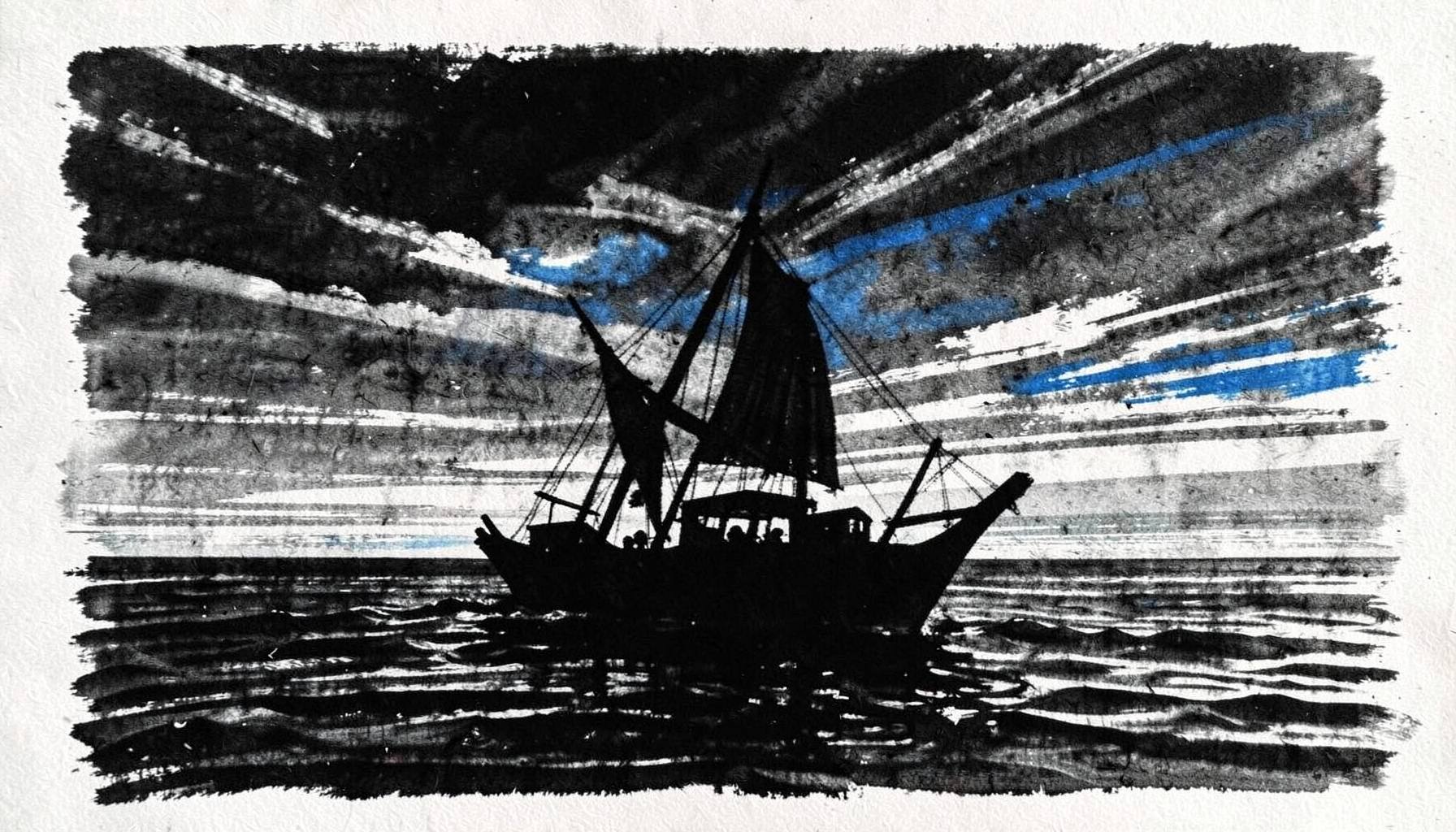
70 tulisan di tahun perdana blog. Topik beragam: tren fashion Korea di Indonesia, opini tentang KPK, tradisi Uang Panai, hingga promosi KiosGalesong.