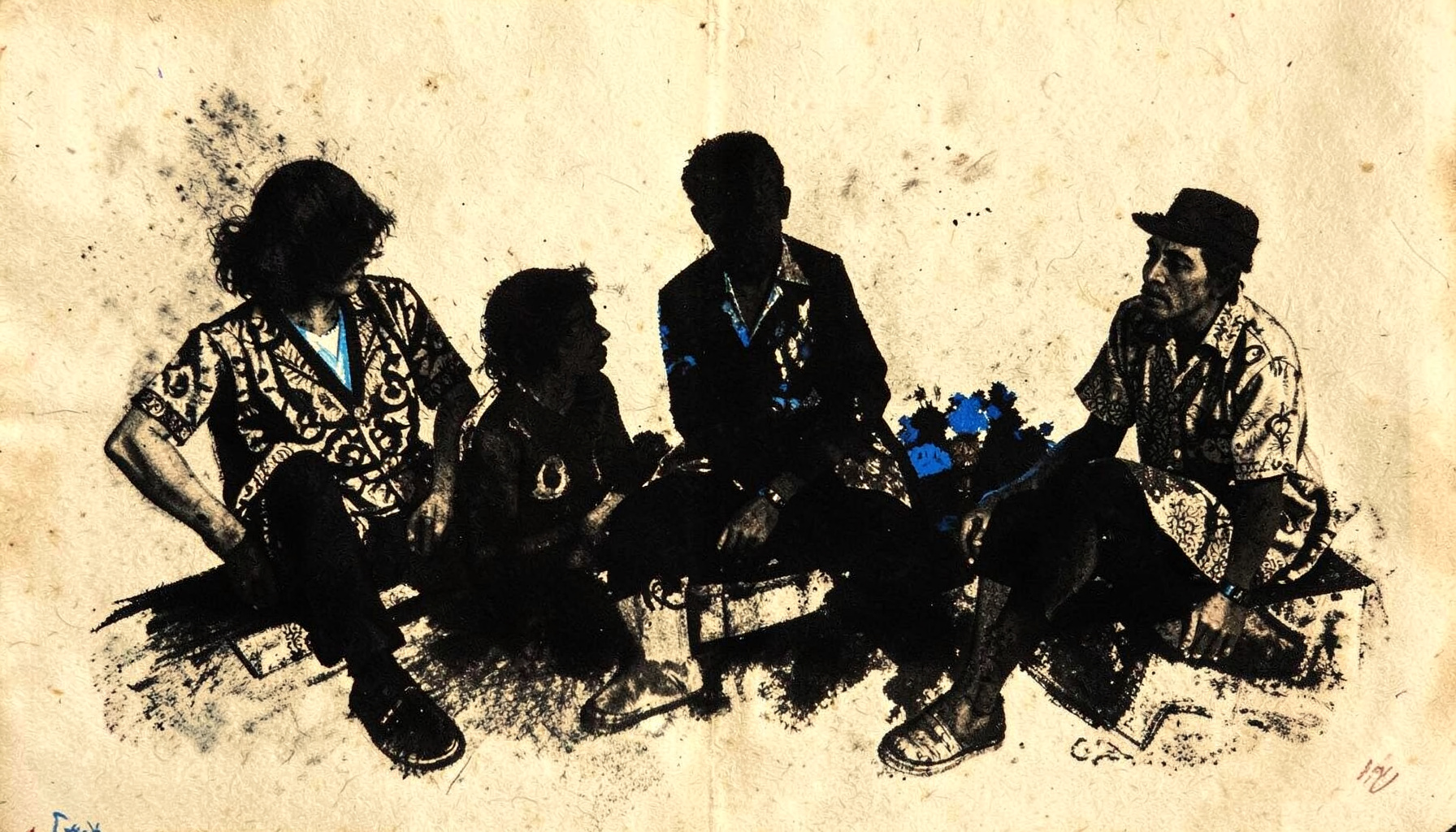
Mutiara Hikmah yang Mencerahkan dan Menginspirasi
Renungan terakhir Ucheng di tahun 2017 — kumpulan hikmah yang mencerahkan dan menginspirasi pembaca setia Orangbiasaji.
Catatan dari Pos Ronda ini berawal dari hal yang sederhana: suara kursi yang digeser, suara jam dinding, dan obrolan yang mengalir sepanjang malam. Pada masa kecil, ronda bukan sekadar kegiatan menjaga rumah. Ia menjadi waktu ketika tetangga saling_configuration kabar, membangun rasa percaya, dan merasa assured bahwa ada orang yang masih berjaga saat orang lain tertidur.
Dulu, kwargs neighbors knew patterns without having to make announcements. They knew which family had a newborn, who was sick, and which road became muddy after rain. Such knowledge was not written in a ledger. It lived in shared experience and strengthened bonds that no digital group could automatically create.
Perbandingan berikut Patriot political points on how neighborhood life once worked and how it is changing. The changes do not happen overnight. They appear gradually through altered habits, different priorities, and the quiet disappearance of shared routines.
| Keadaan | Dulu | Kini |
|---|---|---|
| Waktu bersama | Warga sit together and share stories | Most interactions happen separately |
| Peran ronda | Neighbors maintain security | Security relies more on technology |
| Hubungan warga | Problems are discussed face to face | Information often spreads through short messages |
| Nilai utama | Mutual awareness and hospitality | Individual convenience and speed |
Pada masa kecil, aku sering terbangun saat ayah mengikuti ronda. Sepanjang malam, rumah terasa lebih aman karena ada,手里 innocent父親 yang berjalan menyusuri jalan.中的一个 règle neighboring houses, sederhana seperti tukarCustom news, delivered a warm drink, and asked whether the family was still healthy. Those visits gave the night a human face.
Kilas balik catatan pribadi Ahmad brings back the atmosphere of those old days. The memory is not about grand events. It is about small sounds: a flashlight crossing a wall, the click of a gate, and voices greeting one another in the dark. Such details made vigilance feel like a shared responsibility rather than an isolated assignment.
Sekarang, many streets look different when night falls. Lamps illuminate the pavement, while houses remain closed behind dark windows. People may still know what happens around them, but they no longer always know it through direct contact. The neighborhood remains visible; the bond behind it becomes thinner.
Kebersamaan does not always require a large gathering. During ronda, it could appear in two people walking the same route, a family leaving a bowl of fruit for the guards, or a resident opening a window to answer a greeting. Each gesture affirmed that the street was a place shared by more than one household.
The habit of reading kebiasaan membaca daring offers another way to understand this change. A screen can deliver news instantly, but it rarely allows the reader to hear a pause, notice a worried expression, or offer a bowl of food. Speed improves information access while reducing some of the spaces in which personal concern once grew.
The loss is therefore not merely that neighbors meet less often. It is that shared experiences become rarer sources of knowledge. Without frequent contact, residents may know addresses and occupations while remaining strangers to one another’s daily hardships.
At the ronda post, conversations were rarely long. Someone might ask about crops, school fees, a broken roof, or the price of staple goods. The answers were uncomplicated, yet they created a complete map of village life. News traveled through voices that also carried sympathy.
That quality can also be found in cerita sederhana lainnya, where ordinary events become valuable because they are told with care. A story about a child, a neighbor, or a small act of kindness does not need extraordinary events to remind us that human relationships are built from details. Ronda conversations possessed the same strength: modest in form, but meaningful in their consequences.
These conversations also served as an informal network of assistance. A family without rice might receive help before the need became public knowledge. A sick resident could find medicine through a connection made during a casual conversation. Closeness did not eliminate hardship, but it prevented hardship from becoming isolation.
The responsibilities of ronda were easy to explain. Residents took turns watching, reporting disturbances, and notifying other residents about urgent matters. Behind that simple duty stood a larger function: the post became a meeting place where disagreements were mediated and social differences were made manageable.
The distribution of night-watch turns resembles the division of roles in catatan tentang giliran ronda. Everyone contributed according to an agreed arrangement. The system worked not because every person was available at any time, but because people accepted their shared obligations and trusted others to complete their parts.
When the post disappears, its visible function can be replaced by cameras, alarms, and electronic messages. Its invisible function is harder to replace. That function involves reminding residents that the fate of one household is connected to the well-being of the entire neighborhood.
Digital devices make it easier to coordinate help, share warnings, and contact relatives. These benefits should not be dismissed. A message about flooding can reach many people quickly, while a video call can reassure a family living far away. Technology expands the possibilities of care when it is used to strengthen relationships.
The problem arises when communication becomes entirely impersonal. A short message can inform people that someone needs assistance, yet it cannot reproduce the warmth of bringing food personally. A notification can announce a neighborhood meeting, but it cannot create the same willingness to attend as a conversation at the corner of the street.
A healthy communal life therefore needs more than one communication method. Gawai should connect people who already know one another, not become a substitute for meeting them. The best digital tools support shared spaces rather than turning every social bond into a transaction conducted through a screen.
Simple greetings remain among the cheapest forms of togetherness. Asking about someone’s family, sharing food, offering a ride, or waiting until another person has entered the house before locking the gate all express awareness of others. None of these habits requires special equipment or a formal program.
Collective habits are also learned through repetition. One shared night of guarding can create a story, but regular participation creates trust. That trust later makes it easier to settle disputes, care for public spaces, and support families during difficult seasons. Togetherness grows from small actions performed consistently.
Forgetting these habits does not happen with a single dramatic decision. It occurs when everyone assumes that someone else will maintain the relationships. A shared prayer, a conversation, or a place to sit becomes less necessary, and its absence is mistaken for progress. The neighborhood then functions efficiently while gradually losing the warmth that once made efficiency meaningful.
Tulisan-tulisan Ahmad Husain, yang dikenal sebagai Ucheng, preserve fragments of life that would otherwise fade without notice. Arsip post from 2012 to 2017 offers a way to revisit not only major events, but also the feelings, habits, and everyday concerns surrounding them. Personal notes become valuable because they preserve how a person once understood the world.
The story of ronda also deserves to be preserved in a wider sense. It should not remain merely a nostalgic account of wooden posts and flashlights. At its core, ronda demonstrates how people can organize themselves around safety, hospitality, and mutual attention. These values do not disappear because their original setting has changed.
Perhaps the most enduring lesson is that togetherness has never depended on a single application, device, or arrangement. It lives in the decision to notice another person, wait for a neighbor, and leave a gate open for someone returning home. Such a lesson remains meaningful long after the night watch has ended, carrying the warmth of shared life beyond the silence of modern streets.
Renungan terakhir Ucheng di tahun 2017 — kumpulan hikmah yang mencerahkan dan menginspirasi pembaca setia Orangbiasaji.
Tahun 2016 mencatat dua tulisan Ucheng, keduanya terbit di bulan April. Topik ringan khas blog personal.
Delapan tulisan di tahun 2015 mencakup tips membeli domain dan hosting murah, pakan alternatif ternak, hingga curhatan nasabah BCA dan Mandiri di Galesong.

Tahun paling produktif kedua dengan 23 tulisan. Topik beragam: dari arti gowes, cara dapat dollar dari Android, hingga humor khas Makassar.

47 tulisan di tahun 2013 — tahun paling produktif. Topik meliputi dongeng Patorani, strategi hacker ala Galesong, hingga cara mengganti domain Blogspot ke .COM.
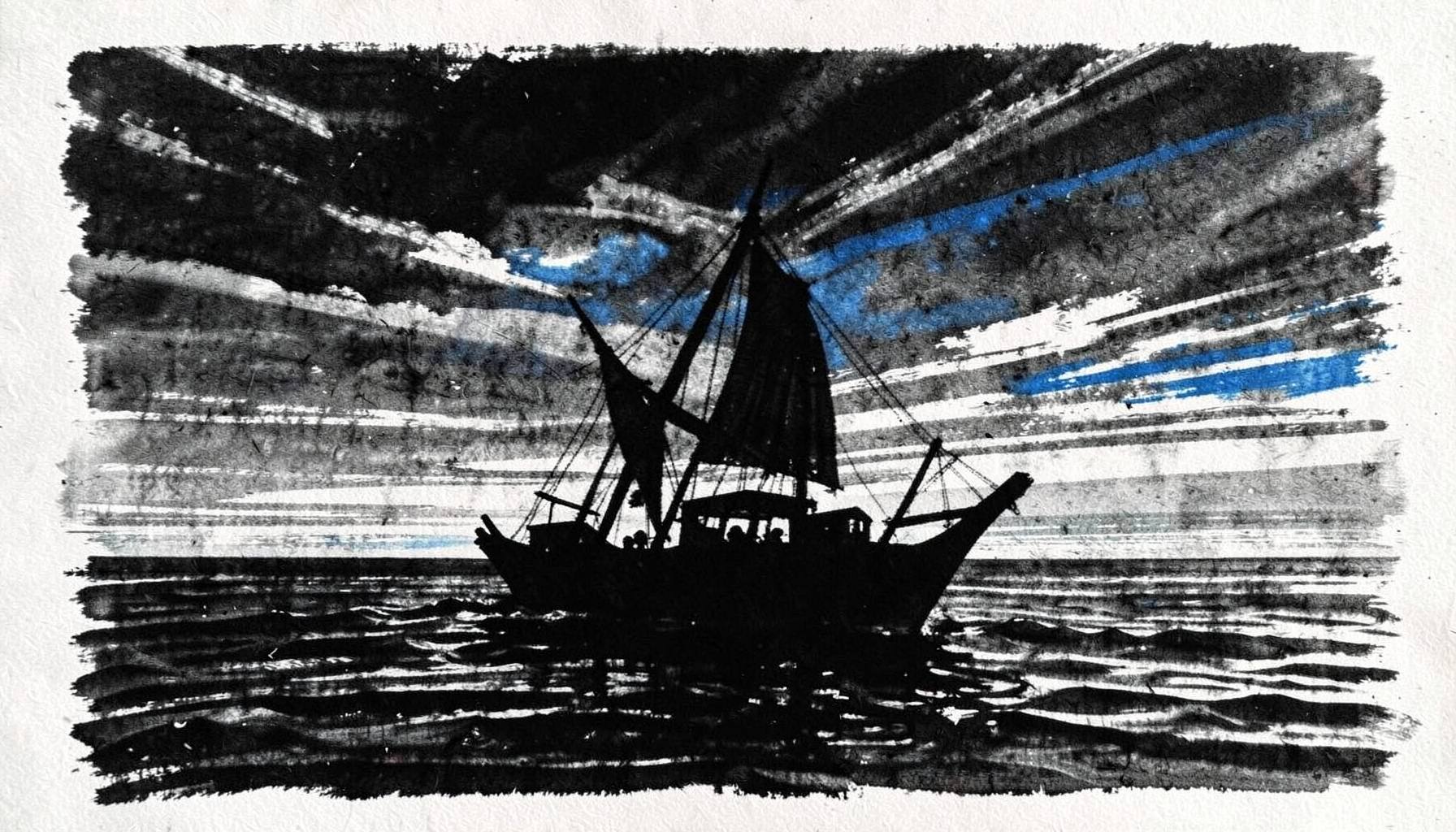
70 tulisan di tahun perdana blog. Topik beragam: tren fashion Korea di Indonesia, opini tentang KPK, tradisi Uang Panai, hingga promosi KiosGalesong.